Is Pilates a form of strength training?
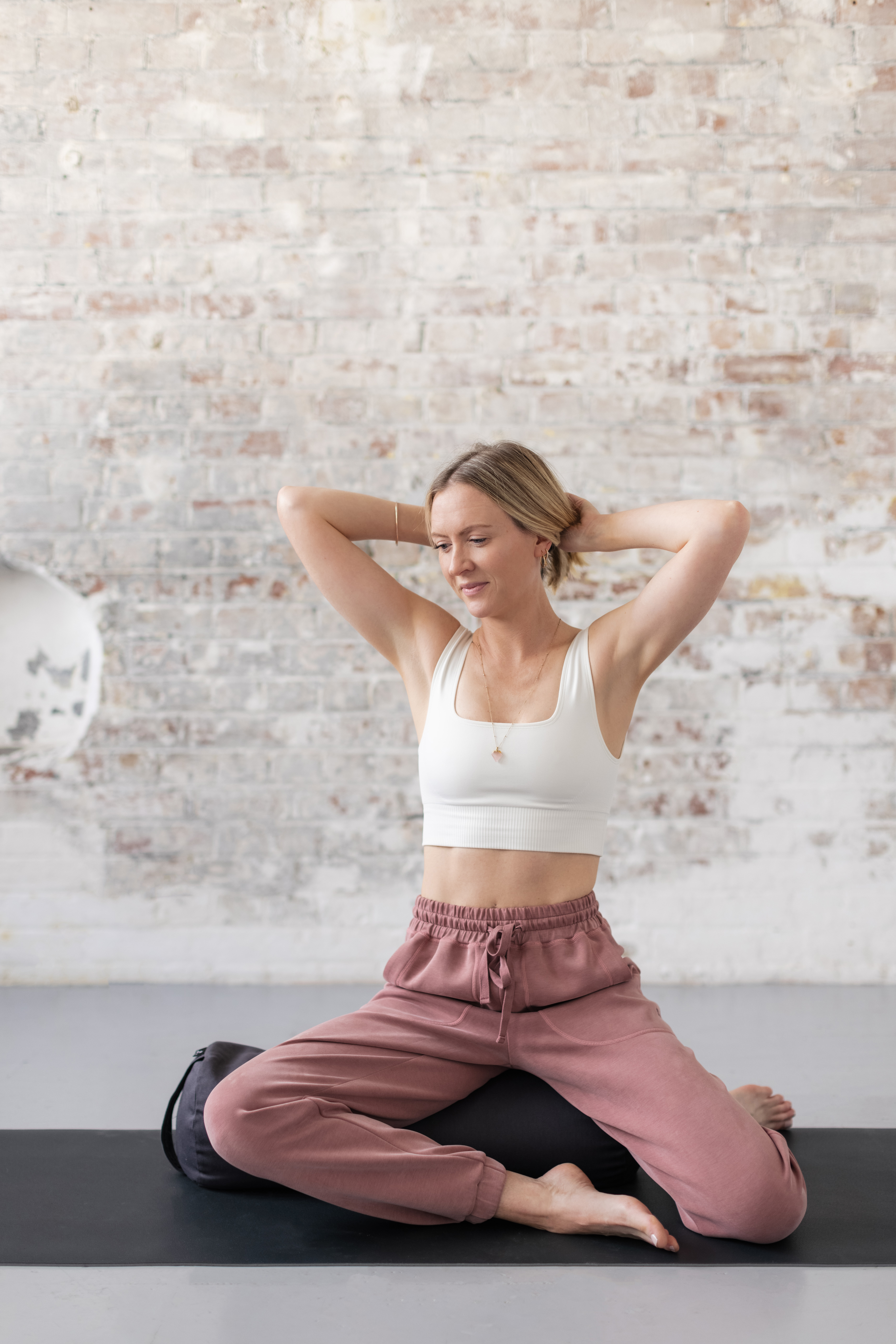
Yes, Pilates can be a form of strength training when the exercises give your muscles enough resistance to work against. How much strength you develop depends on the session, your starting point and how the challenge progresses over time.
That is the part worth looking at more closely. A class that feels demanding when you first begin may eventually become familiar. A slower rehabilitation session and a strength-focused reformer class can both be valuable, but they may be asking very different things of your body.
As a physiotherapist and the founder of CORE LDN, I am interested in what someone needs strength for. That might be returning to running around Richmond Park, feeling more comfortable lifting a child or rebuilding confidence after an injury.
Pilates can have a useful place in that process. Understanding what it can offer, and when to add something else, helps you build a routine with a clear purpose.

What makes exercise strength training?
Strength training involves working your muscles against resistance. That resistance might come from a weight, a band, a spring or your own body weight.
To develop strength, the exercise needs to challenge you sufficiently. The same movement can be demanding for one person and relatively easy for another, depending on their experience, current capacity and how it is performed.
The NHS includes Pilates among its examples of muscle-strengthening activities. It also recommends strengthening work for all the major muscle groups on at least two days each week.
That does not mean every Pilates session automatically meets all of those needs. It is worth considering which muscles are working, how much effort the exercise requires and whether the demand increases as you become stronger.
The label on the timetable gives you a starting point. What happens during the session matters more.
Is reformer Pilates strength training?
Reformer Pilates can provide strength training through spring resistance, body weight and the positions used during an exercise.
Pressing the carriage away during footwork, pulling against straps or controlling a standing movement can all require muscles to work against resistance. The challenge changes with the spring setting, range of movement and amount of support.
Springs need a little explanation, because adding more does not always make an exercise harder. During some movements, a stronger spring increases the load. During others, it provides support, so reducing it asks more of your control.
That is why I would be cautious about judging a session by the number or colour of its springs. A lighter setting might make balance more demanding without providing the same strength stimulus as a heavier load.
A well-chosen exercise has a reason behind the setup. Sometimes we want more resistance. Sometimes we want to explore movement with support. Sometimes the priority is learning to control a position before loading it further.
Does Pilates build muscle?
Pilates can help you develop muscular strength and endurance. Muscle growth is also possible when the training provides sufficient resistance and progression, although the extent will vary.
It helps to separate those outcomes. Strength is your ability to produce force. Muscular endurance is your ability to sustain or repeat an effort. Increasing muscle size is another adaptation, influenced by the training stimulus, nutrition and recovery.
You might notice that you can control a movement more easily, complete more repetitions or work against greater resistance before seeing any obvious change in muscle size.
If building substantial muscle or maximising the weight you can lift is your main goal, a structured resistance programme using weights or machines will generally make it easier to provide and measure the necessary loading. Pilates can sit alongside that work, adding opportunities to develop movement control and strength through different positions.
There is also no special category of “long, lean muscle” reserved for Pilates. The more useful question is whether your training is helping you become stronger in ways that matter to you.
Your training needs somewhere to go
One of the most useful principles in strength work is progression. As your body adapts, the exercise needs to develop with it.
In Pilates, that could involve increasing resistance, changing leverage, moving through a greater range or progressing from two legs to one. The right adjustment depends on what we are trying to improve.
Making something less stable is not always the best next step. If the goal is to strengthen a particular muscle group, a more supported position may allow you to work against greater resistance and challenge those muscles more effectively.
Slowing a movement down can change the effort too, but moving slowly is not automatically a substitute for increasing load.
You do not need every session to be harder than the last. There should, however, be a sense of development across the weeks: more capacity, greater confidence or an exercise that you are now ready to progress.
Soreness is an unreliable scorecard for this. Being able to lower yourself onto a chair without a negotiation remains a perfectly acceptable outcome the next morning.
Can Pilates replace lifting weights?
For someone beginning exercise or rebuilding after a period of inactivity, appropriately challenging Pilates may provide a meaningful starting point for strength work.
Someone who already lifts regularly may need additional resistance beyond what their usual Pilates class offers. Their class might still be valuable for mobility, coordination or exploring movements that receive less attention in the gym.
The answer therefore depends on your goals and the training itself.
If you enjoy Pilates, consider how well your sessions cover the whole body. Is there enough challenge for your legs, hips, back, chest, shoulders and arms as well as your abdominal muscles? Are you able to progress? Does the routine prepare you for what you want to do outside the studio?
For many people, combining Pilates and strength training with weights is a practical way to cover those needs. It also leaves room to enjoy different ways of moving without expecting one class to do everything.
Low impact can still involve hard work
Low impact describes the forces associated with activities such as landing or jumping. It does not tell you how much muscular effort an exercise requires.
A supported exercise against substantial resistance can be demanding while involving very little impact. That can be useful when impact is uncomfortable or needs to be introduced gradually.
Bone health adds another consideration. An exercise that challenges your muscles does not necessarily provide all the loading your bones need. Progressive resistance and suitable weight-bearing or impact activity deserve attention alongside balance and movement control.
For someone with osteoporosis, a previous fragility fracture or other concerns about bone health, the level of loading should be individually considered. The Royal Osteoporosis Society’s exercise guidance explains the different roles of strength and impact exercise.
Pilates also needs to sit within a wider routine that includes appropriate aerobic activity. A challenging class is useful, but it is worth looking at your whole week.
How a physio-led approach changes the starting point
When someone is recovering from an injury, the first priority may be finding a manageable way to move and load the affected area.
That can mean beginning with support, a smaller range or less resistance. As symptoms and capacity allow, the work should progress towards the demands of everyday life, the gym or sport.
Our physiotherapy-led Pilates connects that assessment with exercise. We consider your history, symptoms, current strength and what you want to return to before choosing the starting point.
Someone rebuilding after knee surgery may need a different progression from a runner preparing for longer distances or someone returning to exercise after childbirth. Their sessions may share familiar Pilates movements, but the purpose and loading can be different.
Before joining Pilates: Physio classes, a private Pilates: Physio Initial gives us time to understand those needs. If pain is still restricting what you can do, a physiotherapy appointment may be the more appropriate place to begin.
The aim is to help you move forward with enough support to get started and enough challenge to keep developing.
Strength that carries into the rest of your life
When people ask me, “Is Pilates strength training?”, my answer is yes, it can be. I would then want to know whether the sessions are sufficiently challenging for that person and whether they are progressing towards their goals.
Strength might show up as carrying your shopping more comfortably, feeling steadier on one leg or returning to a heavier lift with confidence. Those changes are useful ways to judge whether your routine is working.
Pilates offers opportunities to develop that strength while paying attention to how you move. The next step might be a more demanding exercise, additional resistance work or a return to the activity you have been missing.
What matters is having somewhere to go, and guidance that helps you get there.
Thank you for reading, Claire. Founder of CORE LDN.
Restore. Strengthen. Evolve.


Comments